
Butterfly shaped cushion pattern is more than just a sewing idea—it is a creative expression that combines comfort, decoration, and handmade charm in a single project. Whether you are an experienced seamstress or a beginner exploring DIY crafts, this pattern offers a unique opportunity to create something beautiful and functional. The delicate curves of butterfly wings translate into a decorative pillow that instantly transforms any living space, adding softness and personality to sofas, beds, or reading corners.
When working with a butterfly shaped cushion pattern, attention to detail makes all the difference. From selecting the right fabric to mastering symmetrical cutting techniques, each step contributes to a polished final result. This design is especially popular in nurseries, children’s rooms, and cozy living rooms because of its playful yet elegant silhouette. The versatility of this cushion allows it to match both minimalist and vibrant décor styles, depending on the materials and embellishments chosen.
In recent years, handmade home décor has gained remarkable popularity, and the butterfly shaped cushion pattern has become a favorite among DIY enthusiasts. Its popularity is driven by the rising interest in sustainable living, personalized home accessories, and mindful crafting. Creating your own cushion not only saves money but also ensures a customized design tailored to your taste. In this comprehensive guide, you will learn everything about choosing materials, drafting the pattern, sewing techniques, stuffing options, decorative ideas, and maintenance tips to ensure your cushion remains beautiful for years to come.
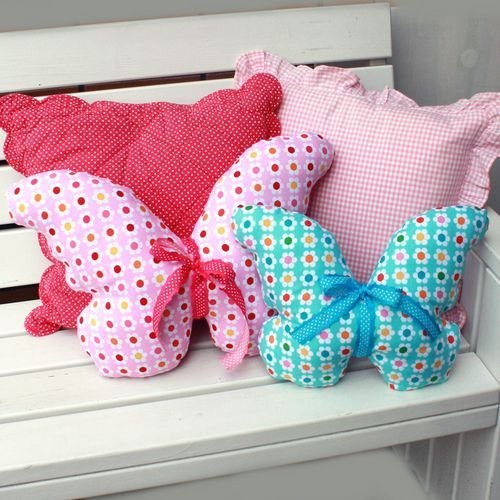
Understanding the Butterfly Shaped Cushion Pattern
The butterfly shaped cushion pattern refers to a sewing template designed to mimic the natural symmetry of a butterfly’s wings. Unlike standard square or rectangular pillows, this pattern requires curved lines and balanced proportions to achieve an authentic look. The key to success lies in precision when tracing and cutting the template.
Symmetry plays a crucial role in the final appearance of the cushion. To maintain balance, many crafters fold the fabric in half before cutting, ensuring both sides of the butterfly match perfectly. This simple technique helps avoid uneven wings and saves time during assembly.
Another essential element of the butterfly shaped cushion pattern is seam allowance. Adding an extra half inch around the traced template allows room for stitching without altering the final shape. Skipping this step can result in a smaller or distorted cushion.
The size of the pattern can vary depending on the intended use. Smaller cushions are perfect for decorative arrangements, while larger versions can function as supportive pillows for lounging. Adjusting the scale of the pattern ensures versatility and creative flexibility.
Fabric choice significantly impacts the final aesthetic. Cotton is ideal for beginners due to its ease of handling, while velvet or linen can elevate the design for a more sophisticated appearance. Always consider durability and washability when selecting materials.
Finally, understanding the pattern layout before sewing reduces mistakes. Laying out all pieces and double-checking alignment ensures smooth assembly and prevents the need for corrections later in the process.
Materials and Tools Needed for Success
Creating a butterfly shaped cushion pattern project requires a few essential materials that guarantee durability and professional results. High-quality fabric, thread that matches or contrasts tastefully, sharp scissors, and reliable pins form the foundation of the process.
A printed or hand-drawn template is necessary to replicate the butterfly shape accurately. Many crafters prefer to sketch their own version to add uniqueness to their design. Using thick paper or cardboard makes the template reusable for future projects.
Choosing the right stuffing is equally important. Polyester fiberfill is a popular option because it is lightweight, hypoallergenic, and easy to shape. For a more eco-friendly alternative, recycled stuffing materials can also be used.
Sewing machines simplify the construction process, but hand sewing remains a viable option for those who enjoy slow crafting. If using a machine, selecting a medium stitch length helps maintain clean seams along curved edges.
Decorative elements such as embroidery, lace, piping, or fabric paint can enhance the wings’ appearance. These additions allow you to personalize your butterfly shaped cushion pattern and create a one-of-a-kind piece.
Finally, always keep measuring tools nearby. A ruler or measuring tape ensures accurate dimensions, while tailor’s chalk or fabric markers allow precise tracing without damaging the fabric.
Step-by-Step Guide to Sewing Your Cushion
Begin by laying your chosen fabric flat on a stable surface. Fold it in half if you want identical wings, and secure the template with pins. Carefully trace the butterfly shaped cushion pattern onto the fabric using a washable marker.
Next, cut along the traced lines while maintaining steady hand movements. Sharp fabric scissors reduce fraying and create smoother curves. Precision at this stage ensures a clean final silhouette.
Place the two fabric pieces together with the right sides facing inward. Pin around the edges, leaving a small opening for stuffing. This opening is essential and should be positioned discreetly along the bottom edge.
Sew along the pinned outline, following the curved lines slowly to maintain accuracy. If using a sewing machine, guide the fabric gently to avoid puckering around tight curves.
After stitching, trim excess fabric around the edges and make small notches along curved areas. This technique allows the fabric to spread naturally when turned right side out, preserving the intended shape.
Turn the cushion inside out and fill it evenly with stuffing. Adjust the filling to ensure both wings appear balanced and fluffy. Once satisfied, close the opening with a hidden stitch for a seamless finish.
Styling, Maintenance, and Creative Variations
A completed butterfly shaped cushion pattern can be styled in numerous ways. Pairing multiple cushions in complementary colors creates a cohesive and visually appealing arrangement on beds or couches.
For children’s rooms, consider using pastel fabrics or playful prints. In more modern interiors, neutral tones such as beige, gray, or soft blue offer elegance without overwhelming the space.
Maintenance is simple when using washable fabrics. Remove surface dust regularly and spot clean minor stains immediately. If the cushion is machine washable, use a gentle cycle and mild detergent to preserve fabric quality.
Seasonal variations add freshness to your décor. Floral prints work beautifully for spring, while richer tones like burgundy or mustard complement autumn themes. This flexibility makes the butterfly shaped cushion pattern suitable year-round.
Adding textured fabrics such as faux fur or quilted cotton introduces depth and dimension. Mixing textures enhances the tactile experience and elevates the cushion’s visual appeal.
For advanced crafters, experimenting with layered wings or applique techniques can transform a simple design into a statement piece. These creative adaptations ensure your project remains unique and expressive.
FAQ About Butterfly Shaped Cushion Pattern
What is a butterfly shaped cushion pattern?
A butterfly shaped cushion pattern is a sewing template designed to create a pillow in the form of butterfly wings, offering a decorative and functional home accessory.
Is this pattern suitable for beginners?
Yes, beginners can successfully complete this project by following clear instructions, choosing simple fabrics like cotton, and taking time with curved seams.
What fabric works best for this cushion?
Cotton is the most recommended fabric due to its durability and ease of handling. However, linen, velvet, and polyester blends also work well depending on the desired finish.
How do I ensure the wings are symmetrical?
Folding the fabric in half before cutting and using a precise template ensures both sides match perfectly. Measuring carefully also helps maintain symmetry.
Can I wash the finished cushion?
Yes, if you choose washable fabric and secure stitching. Always follow fabric care instructions and use gentle washing methods.
What size should I make the cushion?
The size depends on its intended purpose. Decorative cushions are typically smaller, while functional support pillows may require larger dimensions.
How long does it take to complete the project?
Most crafters can finish a butterfly shaped cushion pattern within a few hours, depending on experience level and decorative details.
Do I need a sewing machine?
A sewing machine speeds up the process, but hand stitching is also effective if done carefully and securely.
Can I customize the design?
Absolutely. You can add embroidery, lace, piping, or fabric paint to personalize your cushion and match your décor.
Is this project budget-friendly?
Yes, especially when using leftover fabric or repurposed materials. It is an affordable way to create custom home décor.
VIDEO TUTORIAL
The butterfly shaped cushion pattern offers a creative and rewarding way to enhance your home with handmade charm. Throughout this guide, we explored the fundamentals of understanding the pattern, selecting appropriate materials, mastering sewing techniques, and styling your finished cushion for different settings. By focusing on symmetry, careful cutting, and quality stitching, you can achieve professional results even as a beginner.
This project combines creativity, comfort, and personalization, making it ideal for anyone interested in DIY home décor. Whether you aim to refresh a room or create a thoughtful handmade gift, the butterfly cushion design delivers both beauty and functionality. If you found this guide helpful, please leave your honest opinion and share your suggestions. Your feedback helps inspire more creative ideas and supports a growing community of passionate crafters.