
Step-by-step instructions for making are becfabric rug is
One of the biggest advantages of following step-by-step is
Another important reason why handmade rugs are gaining attention is the relaxing and rewarding crafting experience they provide. Creating a rug with your own hands can become a calming hobby that encourages patience, concentration, and creativity. By understanding the basic techniques, tools, and materials involved in the process, anyone can create durable and attractive rugs at home. In this article, you will discover detailed step-by-step instructions for making a fabric rug, including preparation tips, essential materials, common mistakes to avoid, and finishing techniques that improve both durability and appearance.
Choosing the Best Materials for a Fabric Rug
The first step in creating a beautiful fabric rug is selecting the right materials. Fabric quality plays a major role in the durability and texture of the final product. Cotton is one of the most recommended materials because it is soft, easy to work with, and highly durable. Many crafters also use jersey fabric, denim, linen, or recycled textile scraps.
Before starting the project, it is important to wash and dry all fabrics. This prevents future shrinking and keeps the rug looking consistent after use. Clean materials also improve comfort and hygiene, especially when the rug will be placed in high-traffic areas of the home.
Fabric strips should be cut evenly to maintain a balanced appearance throughout the rug. Uneven strips may create irregular patterns and affect the structure of the piece. Using fabric scissors or a rotary cutter can make this process faster and more precise.
Another essential item is the rug base. Some people use non-slip mats, canvas, or mesh rug backing to increase durability and safety. A strong foundation helps the rug maintain its shape over time and prevents movement on slippery floors.
Color selection is another important aspect of the design process. Neutral tones create elegant and modern rugs, while bright colors add energy and personality to the environment. Combining different shades can produce visually interesting patterns and unique artistic effects.
Finally, organize all materials before beginning the project. Having everything prepared in advance makes the crafting process smoother and more enjoyable. Proper organization also helps avoid interruptions and mistakes during production.
Preparing the Fabric and Creating the Rug Structure
Once the materials are ready, the next stage in the step-by-step instructions for making a fabric rug is preparing the fabric strips and building the structure of the rug. This step requires patience and attention to detail to ensure a professional-looking result.
Start by cutting the fabric into long strips of similar width. Most crafters prefer strips between one and two inches wide, depending on the thickness desired for the rug. Thicker strips create a fuller and softer appearance.
After cutting the strips, roll them into fabric balls to prevent tangling. This simple technique makes weaving, braiding, or knotting much easier during the assembly process. Organized strips also help maintain a steady workflow.
One popular technique for creating a fabric rug is braiding. In this method, three fabric strips are braided together continuously until a long braid is formed. The braid is then coiled into a circular or oval shape and stitched together securely.
Another common method is weaving. Fabric strips are woven through a rug backing or mesh to create textured patterns and soft surfaces. This technique is ideal for beginners because it allows flexibility and creativity in color arrangement.
For people who enjoy textured designs, knotting techniques can produce beautiful handmade rugs with a cozy appearance. Small pieces of fabric are tied individually onto a mesh backing, creating a plush and comfortable texture.
Throughout the construction process, it is important to keep tension consistent. Loose braids or uneven knots may weaken the structure of the rug. Taking time to maintain even pressure helps improve durability and overall visual quality.
Techniques to Improve Durability and Appearance
Creating a durable rug involves more than simply assembling fabric strips. Proper finishing techniques are essential for ensuring the rug remains attractive and functional over time. High-quality craftsmanship can significantly increase the lifespan of a handmade rug.
One of the most effective methods for strengthening a fabric rug is using strong thread and reinforced stitching. Heavy-duty thread can withstand regular foot traffic and prevent the rug from unraveling after repeated use.
Another important technique is securing the edges carefully. Loose edges can fray and reduce the rug’s durability. Folding, stitching, or binding the outer edges creates a cleaner appearance and protects the structure of the rug.
Using a non-slip backing is highly recommended, especially for rugs placed on tile or hardwood floors. This safety feature helps prevent accidents while also keeping the rug firmly in place during everyday use.
Regular maintenance also contributes to durability. Handmade rugs should be shaken out frequently to remove dust and debris. Depending on the fabric type, some rugs can be gently hand-washed to maintain freshness and cleanliness.
Paying attention to shape consistency is equally important. During assembly, periodically check the rug’s alignment to ensure it remains symmetrical. Uneven shapes may affect the final appearance and make the rug look unfinished.
Finally, decorative finishing touches can enhance the beauty of the project. Tassels, color transitions, geometric patterns, and layered textures can transform a simple rug into an eye-catching decorative piece suitable for modern interiors.
Creative Ideas and Benefits of Handmade Fabric Rugs
One of the greatest benefits of following step-by-step instructions for making a fabric rug is the freedom to experiment with creativity. Handmade rugs can reflect personal style while adding warmth and character to a room.
Round rugs are especially popular for bedrooms and reading corners because they create a soft and welcoming atmosphere. Oval rugs work beautifully in hallways and kitchens, while rectangular rugs are practical for larger living spaces.
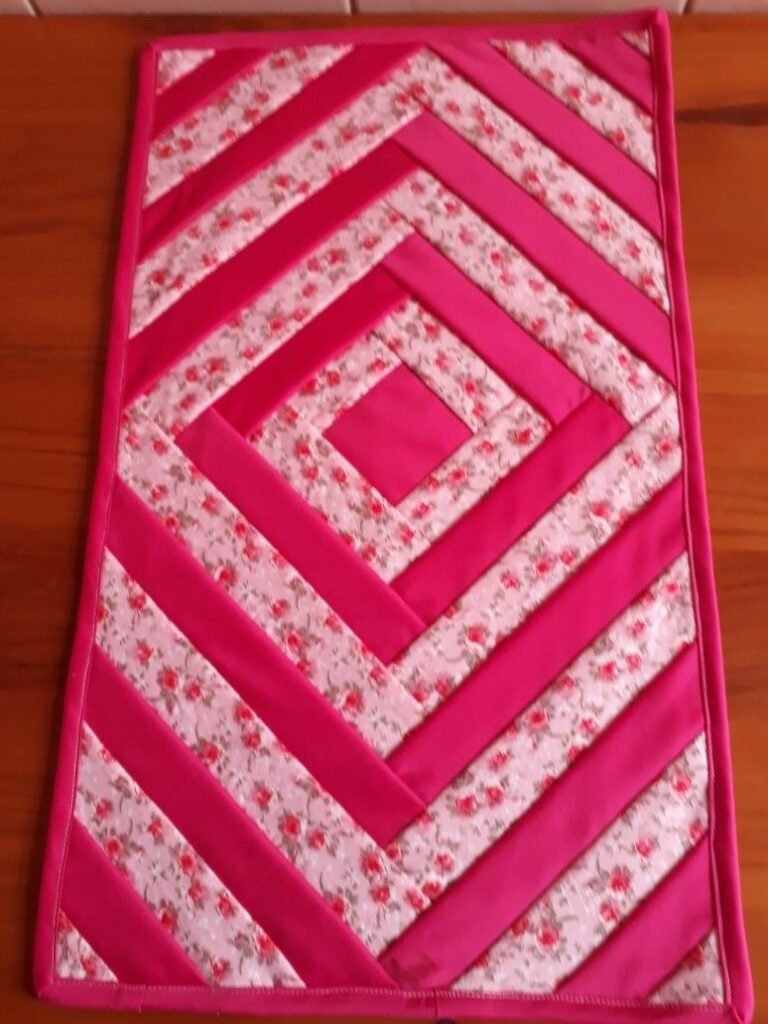
Patchwork-style rugs made from colorful fabric scraps are excellent for rustic or bohemian décor themes. These rugs often become conversation pieces because each one is completely unique and handcrafted.
Minimalist rugs using monochromatic tones are also trending in contemporary interior design. Soft beige, gray, cream, and white shades create elegant rugs that blend easily with modern furniture and neutral color palettes.
Another advantage of handmade rugs is sustainability. Reusing old clothes, blankets, and leftover fabric reduces textile waste and promotes environmentally friendly crafting habits. Many people appreciate the ability to create beautiful items while supporting eco-conscious living.
In addition to home decoration, a fabric rug can also become a thoughtful handmade gift. Personalized rugs made with carefully selected colors and materials can hold sentimental value and demonstrate creativity and effort.
As more people embrace handmade crafts and DIY home projects, fabric rugs continue to grow in popularity. They combine practicality, beauty, comfort, and sustainability in a single project that anyone can learn with patience and dedication.
FAQ About Step-by-step Instructions for Making a Fabric Rug
What is the best fabric for making a fabric rug?
Cotton is one of the best options because it is soft, durable, and easy to handle. Jersey fabric, denim, and recycled textile scraps are also popular choices for handmade rugs.
How long does it take to make a fabric rug?
The time depends on the size and technique used. Small rugs may take a few hours, while larger and more detailed projects can require several days to complete.
Can beginners make a fabric rug?
Yes. Many rug-making techniques are beginner-friendly, especially braiding and simple weaving methods. With patience and practice, beginners can create beautiful rugs successfully.
How do I clean a handmade fabric rug?
Most fabric rugs can be cleaned by shaking out dust regularly and spot-cleaning stains gently. Some rugs may also be hand-washed depending on the fabric type used.
Are fabric rugs durable?
Yes, when made with quality materials and reinforced stitching, handmade fabric rugs can last for many years with proper care and maintenance.
Can I use recycled fabrics for rug making?
Absolutely. Recycled fabrics are commonly used in DIY rug projects because they are affordable, sustainable, and perfect for creating unique textures and color combinations.
What tools are necessary for making a fabric rug?
Basic tools include fabric scissors, thread, needles, measuring tape, rotary cutters, and a rug backing or mesh, depending on the chosen technique.
Which rug shape is easiest for beginners?
Oval and rectangular rugs are often easier for beginners because they allow simpler alignment and stitching during the construction process.
VIDEO TUTORIAL
Learning step-by-step instructions for making a fabric rug is an excellent way to combine creativity, sustainability, and practical home décor. Throughout this article, we explored how to choose the right materials, prepare fabric strips, build strong rug structures, improve durability, and apply creative finishing techniques. Handmade rugs offer endless customization possibilities and allow crafters to create beautiful decorative pieces that reflect personal style and artistic expression.
A well-made fabric rug can transform any room into a warmer and more inviting space while also promoting environmentally conscious crafting through fabric reuse. Whether you are a beginner exploring DIY projects or an experienced crafter searching for new inspiration, this rewarding activity offers both relaxation and creative satisfaction.
We hope these tips and techniques help you create your own beautiful handmade rug with confidence. Feel free to share your honest opinion, personal experiences, and suggestions about fabric rug making and creative DIY projects.